TB-5002 · REV F · Technical newsheet
Machine Vision & InspectionDevice profile
AI-Driven Machine Vision Moves Inline Inspection Toward Process Adaptation
A Photonics Spectra Autumn 2026 feature reports AI-driven machine vision systems can now adapt inspection processes inline, shifting from fixed-rule defect detection.
By Olivia Hart3 min read523 words
Features
- Photonics Spectra published a feature titled "AI-Driven Machine Vision Allows Process Adaptation" in its Autumn 2026 issue.
- The feature addresses AI-driven vision systems that adapt inspection behavior as production conditions change.
- The piece appears in the magazine's Features section, aimed at photonics and machine-vision professionals.
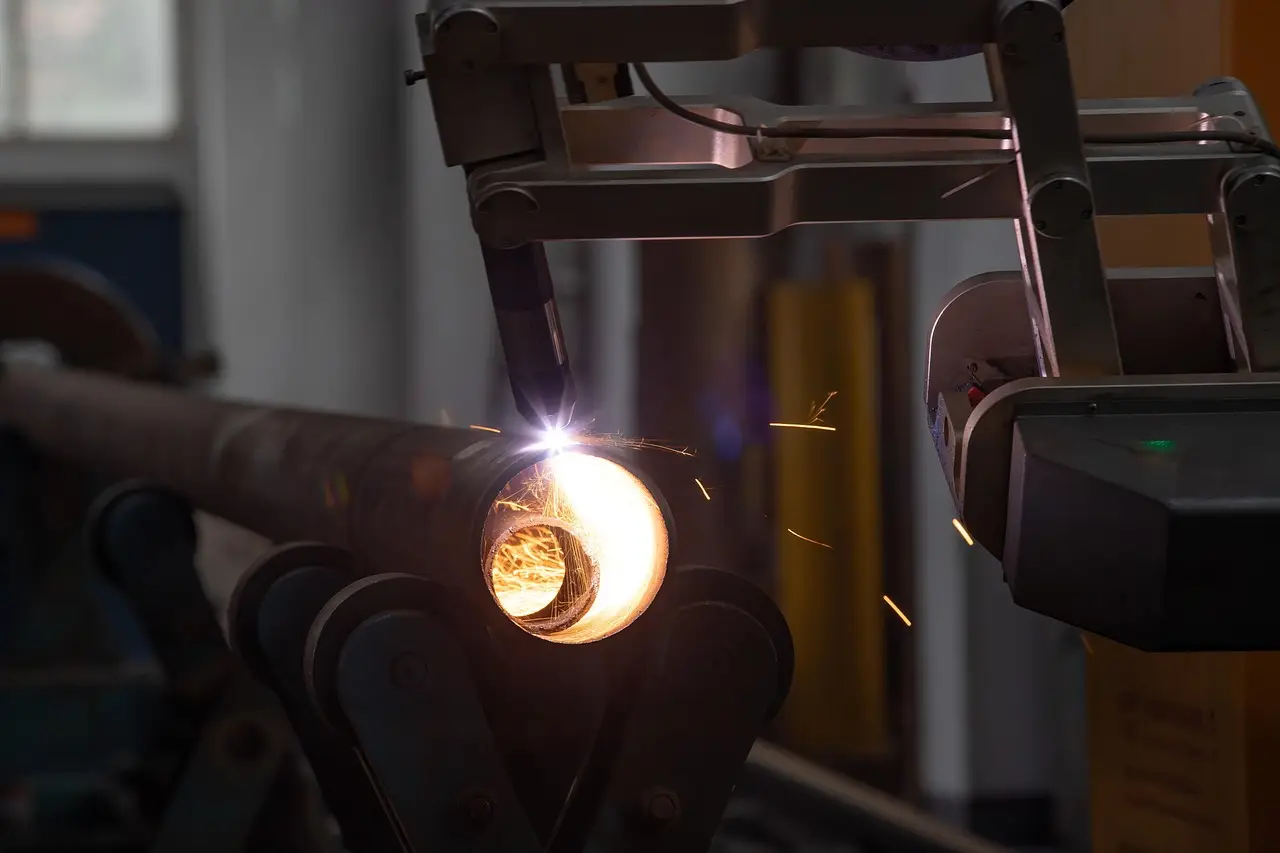
Machine vision systems built around artificial intelligence can now adapt imaging and inspection processes on the fly, according to a feature published by Photonics Spectra in its Autumn 2026 issue. The report frames the shift as a move away from fixed-rule inspection pipelines — systems that flag defects against a frozen golden-sample reference — toward architectures that re-tune themselves as lighting, part geometry, or line speed drift.
The timing of the feature matters. Autumn 2026 places it in the middle of a procurement cycle in which manufacturers are weighing whether AI-capable vision platforms belong on the same budget line as conventional machine-vision cameras, or whether they should be evaluated as process-control instruments with their own validation and retraining obligations.
What does "process adaptation" actually mean here?
In classical machine vision, an engineer defines pass/fail criteria once — edge thresholds, dimensional tolerances, brightness windows — and the system applies them until a human intervenes. Adaptive, AI-driven systems instead treat inspection as a feedback loop: the vision stack detects that conditions have changed and adjusts its own decision logic, in the publication's framing "allowing process adaptation" rather than merely recording anomalies.
The underlying distinction is one metrologists will recognize. A static vision system measures against a fixed reference and loses validity the moment the reference no longer describes the process; an adaptive system recalibrates its internal model continuously, which trades stability for responsiveness. That trade is exactly what a buyer must judge — and what the Photonics Spectra feature puts at the center of its argument.
Where the physics meets the production line
Adaptive vision depends on the same imaging chain as any other inspection system: illumination, optics, sensor, and processing. The AI layer does not remove the constraints of that chain — optics still set resolution, sensor quantum efficiency still sets the low-light floor, and exposure time still bounds the maximum line speed at which a defect remains resolvable. What changes is the interpretation layer above the image, where learned models can absorb variation that would otherwise force a re-engineering of the optical setup.
The Photonics Spectra feature appears in the magazine's Features section, which typically runs vendor-independent technical analysis aimed at integrators and end users specifying photonics equipment. Readers evaluating such systems will want to press on the usual separations: measured performance under stated test conditions versus datasheet claims, and the interval at which an adaptive model must be revalidated once it is trusted to modify itself.
The question buyers should now be asking
The development raises a compliance question that the industry has not fully answered. If an AI-driven vision system adapts its own acceptance criteria during production, whose signature stands behind the inspection result — the original validation, or the model's most recent self-adjustment? Until audit frameworks catch up, the Photonics Spectra feature suggests the burden falls on integrators to document exactly what their systems are allowed to change.
Note: this item is drawn from the headline and publication details of the source; readers should consult the full Autumn 2026 feature for the specific systems, accuracy figures, and vendor claims it discusses.
via Google News: Machine vision inspection (Source)
Filed under
- machine-vision
- ai-inspection
- inline-inspection
- process-adaptation
- adaptive-vision-systems
More from Olivia Hart
Show full bio
Market editor covering technology and product news in Instruments, test and measurement at Testbench Report.
75 articles
Application notes
- AI-Driven Machine Vision Shifts Inspection to Closed-Loop Adaptation
- Machine Vision Moves From Defect Detection to Autonomous Control
- Quality Magazine: Machine Vision Moves to On-Camera Inference
- Cognex Brings AI Tools to Industrial Machine Vision: ARC Report
- AI Machine Vision and Closed-Loop Quality Reshape Factory Floors