TB-2811 · REV E · Technical newsheet
Machine Vision & InspectionDevice profile
DeGould's AutoCompact DriveThrough Extends AI Vehicle Inspection Beyond the Factory
DeGould ships its first AI drive-through vehicle inspection booths in Q4 2026, deliveries Q1 2027, extending EOL-grade damage detection across finished vehicle logistics.
By Grace Kim3 min read639 words
Features
- Launch and customer demonstrations in Q4 2026; first deliveries scheduled Q1 2027
- AutoCompact DriveThrough combines AI, cameras, lighting and LiDAR for real-time exterior condition records
- Toyota and Mercedes-Benz use DeGould's existing AutoCompact Conveyor at production-line end-of-line
- Booths ship as UK-built kits; DeGould recommends covered installations for outdoor sites
- Combined platform with EOL system and DVM app targets per-year savings DeGould estimates in the millions
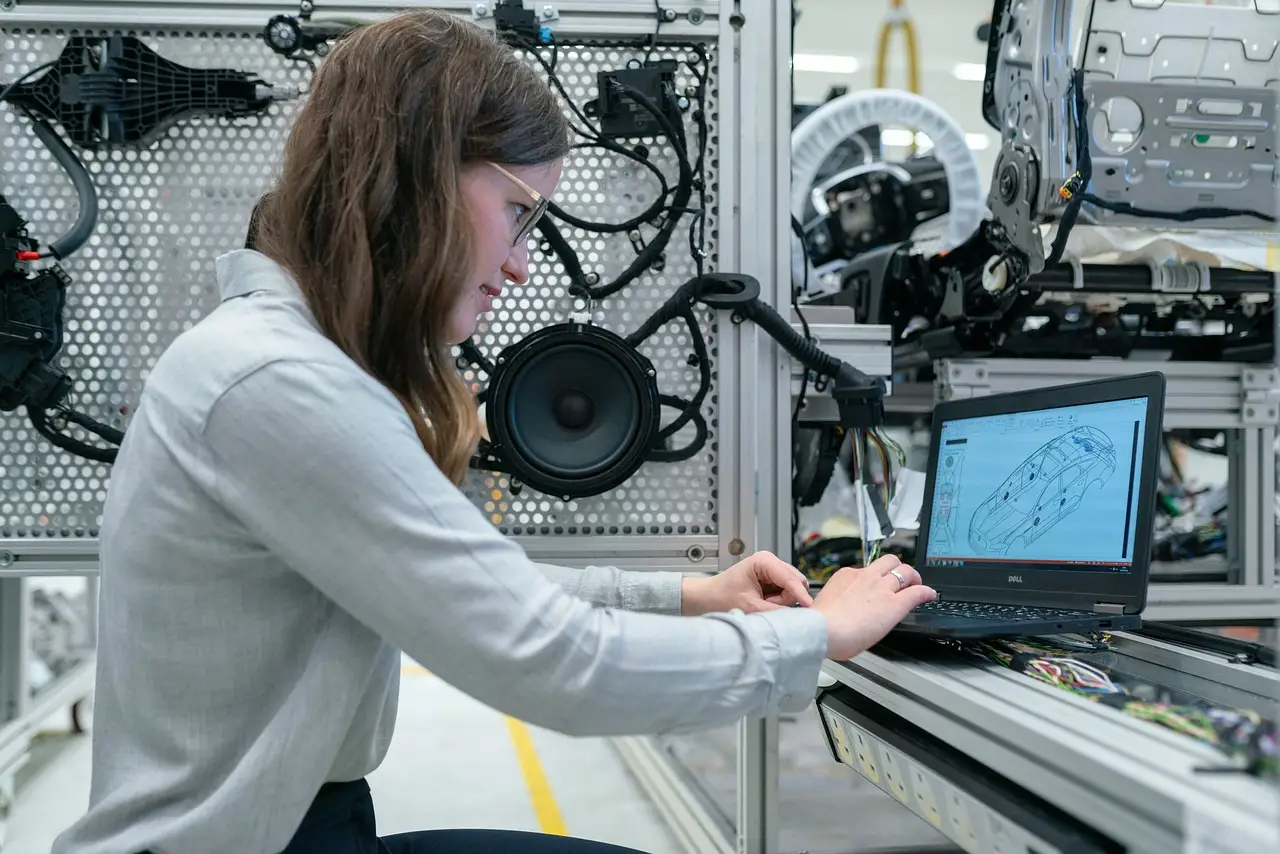
DeGould will deploy its first AI-powered drive-through vehicle inspection booths in Q4 2026, with first deliveries scheduled for Q1 2027. The AutoCompact DriveThrough extends automated exterior damage detection from the end-of-line (EOL) manufacturing environment into finished vehicle logistics (FVL) — ports, rail terminals, logistics compounds, vehicle processing centers and dealerships.
The deployment target is specific: the handover points where responsibility for a vehicle transfers between organizations. Damage occurs most often at exactly these transitions, and the system's stated purpose is to timestamp condition at each one, strengthening the chain of liability between logistics providers.
What does the system actually do?
Each booth combines AI inspection software with cameras, controlled lighting and LiDAR to build a real-time digital record of vehicle exterior condition at every inspection point. The drive-through aperture accepts vehicles from city cars to luxury saloons and light commercial vehicles. DeGould ships the booth as a kit, built and tested at its UK headquarters, for rapid on-site assembly.
One deployment constraint stands out: for optimum performance at outdoor locations, DeGould recommends operating the system under cover. Buyers planning uncovered port-side installations should treat that as an engineering requirement, not a suggestion.
The vendor backs the platform with 24/7 technical support aimed at minimizing downtime.
Where does the measured pedigree come from?
The DriveThrough inherits its inspection capability from DeGould's existing AutoCompact Conveyor, which runs at EOL positions inside vehicle plants. Toyota and Mercedes-Benz already use the Conveyor system for production-line inspections — the strongest available evidence that the defect-detection performance transfers, since DeGould claims the DriveThrough brings "the same world-leading inspection performance and quality trusted at EOL" to logistics sites.
Note the distinction: Toyota and Mercedes-Benz are named Conveyor customers, not named DriveThrough buyers. DeGould has announced no launch customer for the new booth.
What changes for dispute resolution?
The core economic argument is liability. By capturing an automated condition record at each transfer point, the system reduces the time and cost of disputes between logistics providers over who held a vehicle when damage occurred. Immediate inspection feedback lets users identify damage sooner, speeds rectification, and — in DeGould's framing — incentivizes better handling practice across the delivery chain.
Data consolidation is the second argument. The DriveThrough, the EOL Conveyor technology and DeGould's DVM app feed defect data into a single platform, giving OEMs a unified view of their global cost of quality. DeGould claims this lets manufacturers identify recurring trends and address sources of avoidable cost, with potential savings running to millions each year — a vendor estimate, not an audited figure.
Ben Boycott, CEO at DeGould, said: "The launch of a drive-through vehicle inspection system enables OEMs and finished vehicle logistics companies to deploy our leading defect detection capabilities from assembly lines to dealer forecourts. For the first time, they can apply the same world-leading inspection performance and quality trusted at EOL throughout the finished vehicle logistics chain, giving customers a consistent approach to vehicle inspection from the factory to the dealer."
Boycott added: "With pressures on margins, OEMs and logistics providers can benefit from having a clear view of costs, including where and how they occur, what trends are visible, and where the focus needs to be to capture the savings from detecting defects. DeGould's suite of products provides all that is needed to improve bottom line performance."
What should buyers watch?
DeGould has published no detection-rate, false-positive or throughput figures for the DriveThrough, so procurement teams will need to benchmark against the Conveyor's field record during the Q4 2026 demonstrations. The open question for logistics operators is contractual: will a machine-generated condition record at each handover become the accepted evidence standard in damage disputes between carriers, ports and dealers — and who owns that data?
via degould.com (Original)
Filed under
- ai-vehicle-inspection
- automated-defect-detection
- finished-vehicle-logistics
- lidar
- damage-detection
More from Grace Kim
Show full bio
Correspondent covering companies, deals and strategy in Instruments, test and measurement at Testbench Report.
87 articles
Application notes
- Odysight.ai Runs Mining Truck Proof of Concept: What It Means for Fleet Monitoring
- IMTS 2026 reframes machine vision for manufacturing
- Machine Vision's Post-IMTS 2026 Question: System, Not Sensor
- ViTrox Draws Bullish Coverage as AI Inspection Build-Out Accelerates
- Industrial Machine Vision Cameras Headed for $5.61B by 2035