Technical newsheet
Electronic TestDevice profile
Listen's AudioConnect 6×2 Puts Six IEPE Channels on USB-C
Listen's AudioConnect 6×2 brings six IEPE/SCM inputs at 192kHz, 24-bit to USB-C, anchoring an AES TC-AA automotive test kit priced at $25,475 with 10% bundle discounts through 2026.
By Amara Osei3 min read699 words
Features
- AudioConnect 6×2 offers six inputs at 24-bit, up to 192kHz, with gain from -20dB to +30dB in ±0.25dB steps
- IEPE bias at 28VDC/4mA and SCM bias at 10VDC through 7.5kΩ, with TEDS per IEEE 1451.4
- Automotive Audio Test Kit priced at $25,475 with 10% off bundles through end of 2026
- Six-microphone configuration follows the 2023 AES TC-AA recommendation; Steve Temme contributed to it
- Crosstalk -90dB at 10kHz; inter-channel phase ±0.5° from 20Hz to 20kHz
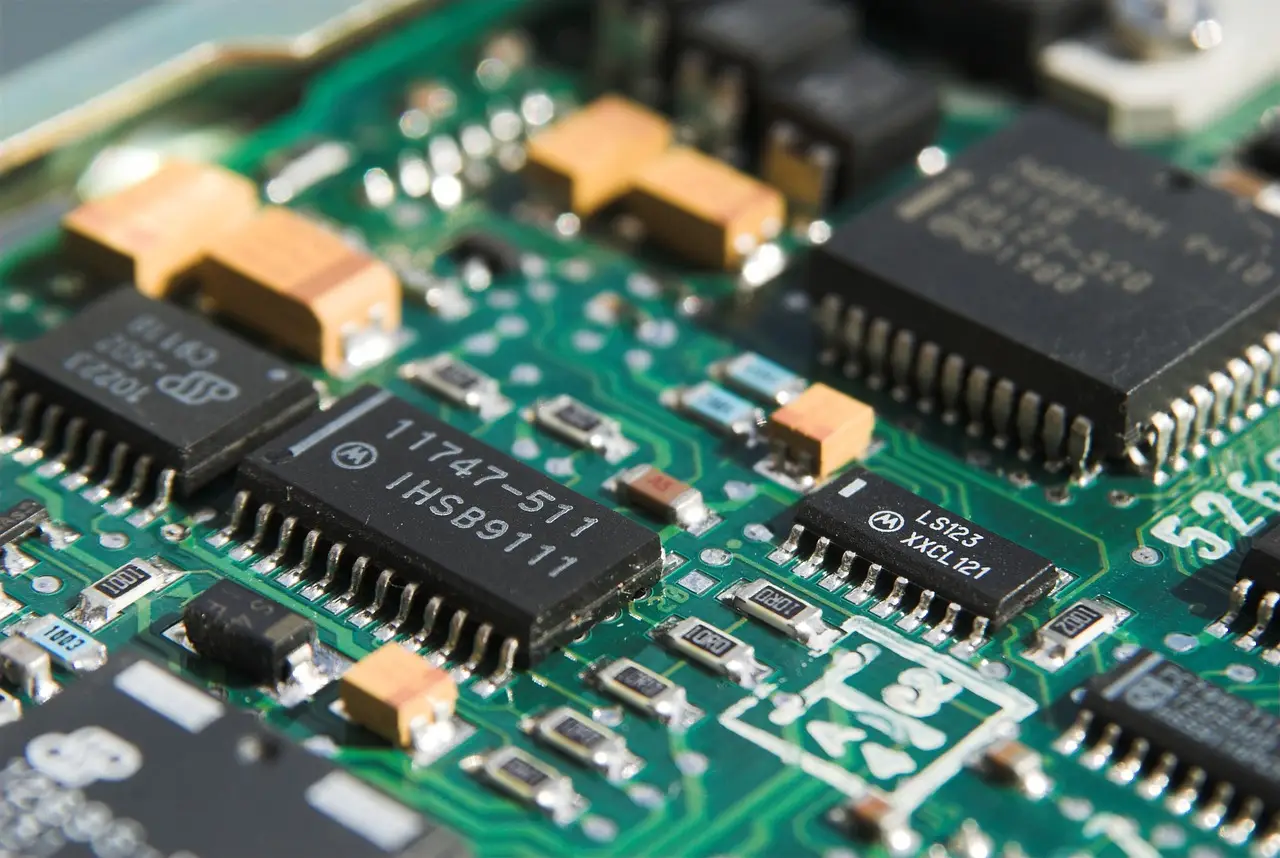
Six BNC inputs, 24-bit resolution, and 192kHz sample rates on USB-C bus power: that is the AudioConnect 6×2, Listen's new 6-in/2-out measurement interface for six-microphone arrays, accelerometers, and automotive audio test. The Boston company has paired the hardware with 10% off its automotive bundles and a complete Automotive Audio Test Kit priced at $25,475 with the required SoundCheck modules, through the end of 2026.
Why a six-channel box, and why now?
The channel count is not arbitrary. In 2023 the AES Technical Committee on Automotive Audio (TC-AA) proposed a standardized six-microphone configuration for in-car audio systems, and Listen founder and president Steve Temme contributed directly to that effort. Listen then built the recommendation into the Halo 6-Microphone Array and a complete test kit; the AudioConnect 6×2 is the acquisition layer of that package.
The two analog outputs plus two S/PDIF inputs and two S/PDIF outputs handle stimulus and digital-signal routing in the same compact unit. The interface sits below the earlier AudioConnect 8×8 in Listen's line, trading channel count and synchronized expansion for portability, while AmpConnect 621 keeps its slot where amplifier output and impedance measurement are required.
What do the numbers say?
The box is a USB 2.0 / USB Audio Class 2 device with ASIO support under Windows, running at 44.1, 48, 88.2, 96, 176.4 and 192kHz. The six mic/line inputs offer 100kΩ input impedance, a maximum input level of 20Vp at -20dB gain, and gain selectable from -20dB to +30dB in ±0.25dB steps. Equivalent input noise sits below 12µV at 0dB gain; inter-channel phase is ±0.5° from 20Hz to 20kHz; crosstalk measures -90dB at 10kHz.
Frequency response is rated 20Hz to 20kHz at +0.1/-0.4dB across sample rates, extending to 10Hz–90kHz at 192kHz with a +0.1/-2.0dB tolerance. These are vendor specifications, published without accompanying test conditions, so treat them as datasheet figures rather than independently verified performance.
One paragraph of physics worth your money
All six inputs supply both constant-voltage SCM bias (10VDC through 7.5kΩ, for SCM electret microphones) and constant-current IEPE bias (28VDC at 4mA, for IEPE devices — the piezo-based transducers with built-in electronics common in vibration work). IEPE inputs also read TEDS, the electronic datasheet standard per IEEE 1451.4 that stores calibration data on the transducer itself. That means direct connection of microphones, accelerometers, couplers, artificial mouths and head-and-torso simulators with no external power supplies — and fewer grounding headaches than a rack of discrete conditioners. The word "fewer" is doing honest work there.
No knobs. Really.
Like Listen's other Connect-series interfaces, the 6×2 has no front-panel knobs or switches. Configuration happens entirely in SoundCheck, which reads calibration tables from the firmware, populates each input channel with sample rate, Vp and calibration values, runs a self-test, and uses TEDS to identify connected transducers. Autoranging sets gain from the measured signal to preserve dynamic range. BNC connectors, level and overload LEDs, and input monitoring through headphones or a loudspeaker are there to catch setup errors before a sequence runs.
The strategy tracks a deliberate shift. Listen built its name on SoundCheck software, but recent years show calibrated hardware, microphones, couplers, Bluetooth interfaces and fixtures joining the portfolio — a trajectory already visible in the AudioConnect 8×8 and SoundCheck 23, which added support for that interface plus faster graphics and multichannel analysis tools.
What about the array itself?
The Halo array implements the TC-AA six-microphone spatial configuration without an artificial head. A 3D-printed ABS structure reduces structural resonances; numbered positions, snap-in clips for 1/4" microphones, ±90° rotation, and a bubble level handle the specified 30° listening angle. The kit combines the array, six SCM microphones, a stand, cables, adapters, the AudioConnect 6×2 and an optional Bluetooth interface in a rugged case.
The question the launch raises is a compliance one: with a TC-AA-aligned kit now affordable enough for production floors, how quickly does six-microphone in-car measurement move from recommendation to expectation?
via audioxpress.com (Source)
Filed under
- audioconnect-62
- iepe-sensors
- automotive-audio-testing
- teds
- soundcheck
More from Amara Osei
Show full bio
Senior reporter covering people, launches and day-to-day practice in Instruments, test and measurement at Testbench Report.
127 articles