TB-4063 · REV A · Technical newsheet
Industrial IoT & MonitoringDevice profile
Open Ecosystems, Not Smarter Models, Will Decide AI Robotics on Plant Floors
Amazon's March pickup of Fauna and Meta's Assured Robot Intelligence buy put AI robotics near industrial deployment — if open ecosystems can tie AI to motion control and functional safety.
By Sophie Lindqvist3 min read613 words
Features
- Amazon acquired humanoid robotics startup Fauna in March; Meta acquired Assured Robot Intelligence less than two months later
- Open ecosystems connect multi-vendor hardware and software through defined interfaces, validation boundaries and shared safety expectations
- AI alone cannot replace motion controllers in production — real-time response and precise movement need dedicated control layers
- Preparation rests on three steps: map the layers, identify where control and safety fit, and assess interoperability
- Legacy tightly coupled vendor stacks slow commissioning and complicate safety signoff
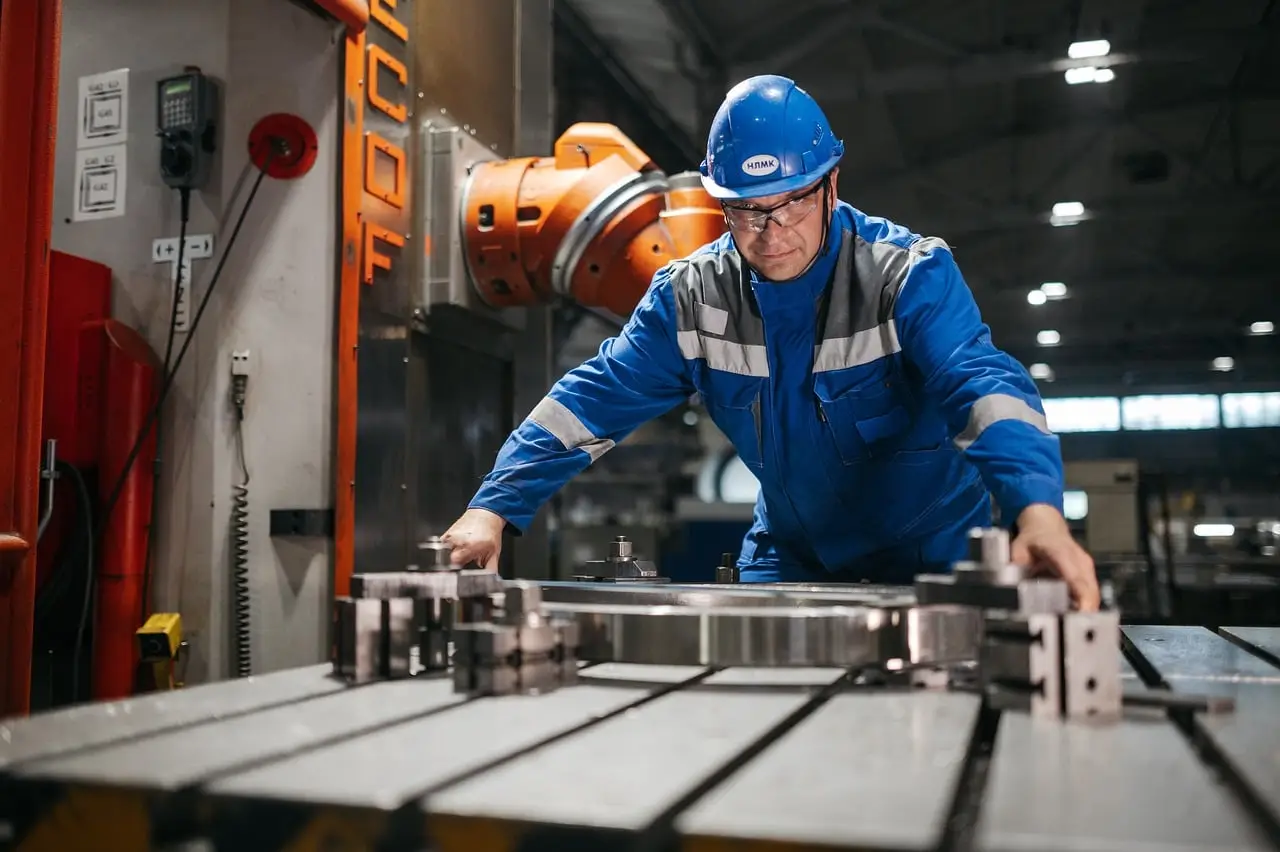
Two acquisitions less than two months apart — Amazon's March purchase of humanoid robotics startup Fauna and Meta's acquisition of Assured Robot Intelligence — signal that Big Tech is pushing AI out of the data center and onto the plant floor. For automation professionals, the bottleneck is no longer model performance. It's whether AI can integrate safely with control and motion systems already running production.
That integration question, argues the analysis driving this shift, makes open platform ecosystems a core requirement for robotics planning, not a nice-to-have.
What does an open platform ecosystem actually mean?
The working definition is a framework that lets hardware and software from multiple vendors connect through defined interfaces, clear validation boundaries and shared expectations for safety integration. It's the opposite of the tightly coupled vendor stacks and custom-stitched multi-vendor systems that industrial automation has historically depended on.
That legacy setup has real costs. It slows commissioning, complicates safety signoff, and makes it harder to assign blame when something fails. Shared interfaces and modular architectures, by contrast, reduce integration effort, speed commissioning and make it easier to swap in new technologies later.
The flexibility matters because AI-driven robots are moving from isolated pilots into production, and no single vendor can supply the best solution at every layer of the robotics stack.
In plain words: open ecosystems let you mix and match technologies per application instead of betting one vendor can do it all.
Where's the gap between Big Tech platforms and plant reality?
Tech companies are building the intelligence and platform layers behind robots. Industrial settings, however, require those platforms to connect with the control, motion and safety technologies already used in production — layers Big Tech doesn't own.
PLCs (programmable logic controllers) will keep an important role, but they weren't designed to handle every layer of AI-driven robot control and safety. As robots become more adaptive, operators will need advanced control platforms that can process data, coordinate motion, support functional safety (the design discipline ensuring a system fails safe) and deliver predictable real-time performance.
The sharpest warning in the analysis targets startup claims that AI can replace motion controllers on factory floors. "That may work in a demo, but in production the AI layer alone is not enough for precise movement and real-time response." The implication: automation leaders will need specialized control and safety providers to integrate AI with motion control and functional safety.
What should operators do before deploying?
Three preparation steps emerge, each a pressure test for vendors.
- Map the layers. A typical handoff runs: the AI layer interprets the task, the controller manages motion, and the safety system governs when and how the robot can move. A warehouse, assembly line, inspection process or material handling application may each need a different mix of AI perception, control, motion, safety and software.
- Locate control and safety. Assess where existing platforms fall short on data processing, motion coordination, functional safety and deterministic response — the biggest gap flagged in bringing AI robots into production environments.
- Demand interoperability. Look beyond whether a robot performs a task standalone. Ask whether it can exchange data, connect with existing control and safety systems, support future applications and fit a multi-vendor environment.
Does your current stack pass the test?
A robot may impress on its own, but its long-term value depends on whether it can participate in an open ecosystem built for safe industrial deployment. Organizations that prepare now will adopt AI-driven robotics without treating control and safety as afterthoughts.
The closing question is blunt: does your current stack let AI, motion and safety work together without custom integration?
via techcrunch.com (Original)
Filed under
- ai-robotics
- industrial-automation
- open-platform-ecosystems
- functional-safety
- motion-control
More from Sophie Lindqvist
Show full bio
News editor covering regulation, policy and their impact on Instruments, test and measurement at Testbench Report.
110 articles
Application notes
- "Open" in Automation: A Verifiable Checklist, Not a Label
- Bertrandt Brings Machine Vision AI Onto Bosch Rexroth's ctrlX AUTOMATION
- Omron Pays $675 Million for OnLogic to Push Industrial AI
- Rockwell adds Omniverse, RTX and OpenUSD to Emulate3D
- VEGA Acquires akenza, Bringing IoT Middleware In-House for Process Sensors