TB-2592 · REV F · Technical newsheet
Test & MeasurementDevice profile
Spectrum Analysis for DWDM: New Instruments Meet the Challenge
Photonics Spectra reports new optical spectrum analyzers aimed at DWDM channel testing; headline detail only, with context on resolution and dynamic-range requirements.
By Grace Kim2 min read344 words
Features
- Photonics Spectra published a feature titled "Spectrum Analysis for DWDM: New Instruments Meet the Challenge"
- DWDM channel spacings have tightened from 100 GHz to 50 GHz and below in some deployments
- The C-band spans roughly 1530 to 1565 nm
- Conventional grating-based OSAs typically resolve around 0.1 nm
- The source feed supplied headline and publication name only; no instrument models or specs were verifiable
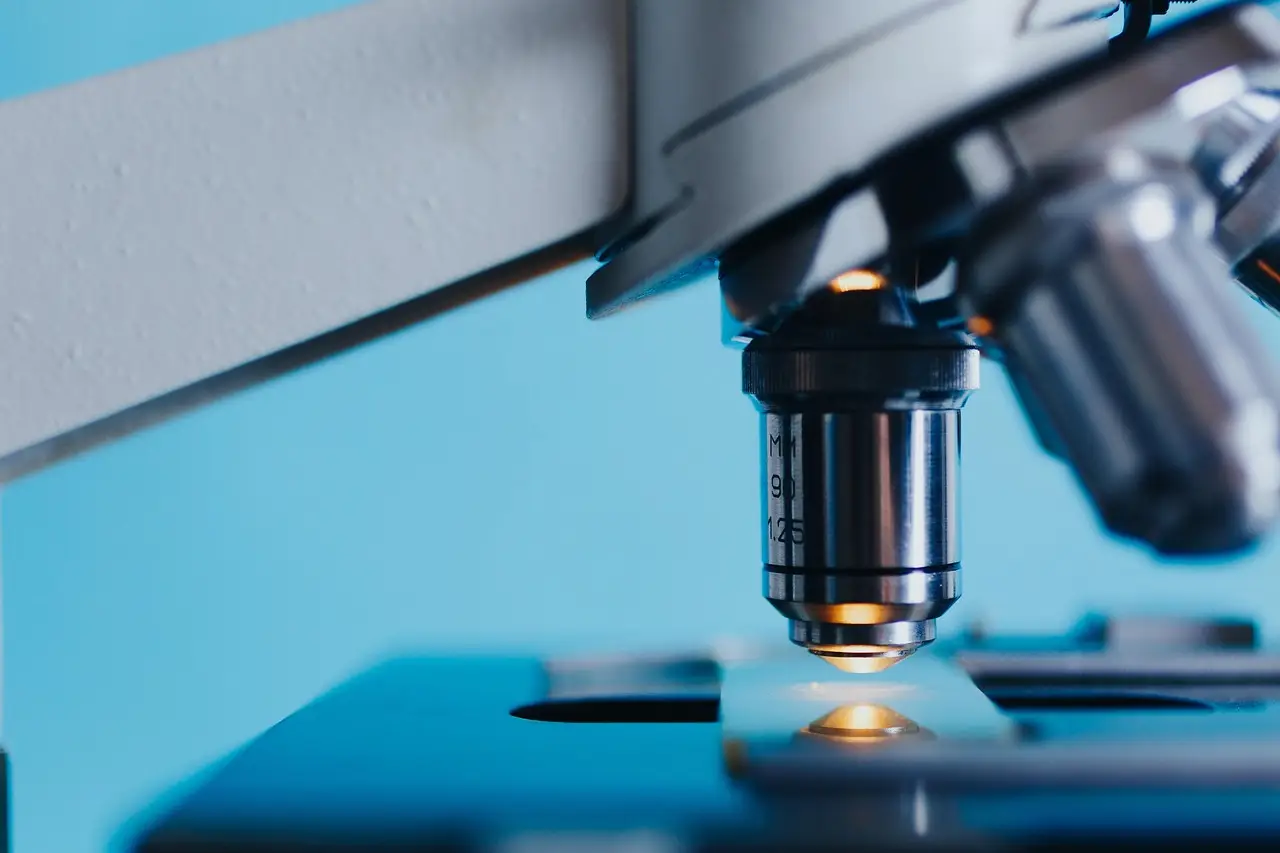
Dense wavelength division multiplexing (DWDM) pushes optical spectrum analysis toward tighter channel spacing, and instrument makers have responded with analyzers purpose-built for that regime, according to a feature published by Photonics Spectra under the headline "Spectrum Analysis for DWDM: New Instruments Meet the Challenge."
The distribution feed available to Testbench Report contained the article's title and publication attribution only. The full text of the feature did not accompany the headline, so the specifications, instrument models and vendor claims in the original piece could not be independently verified or restated here. Readers should treat the following as context on the measurement problem the article addresses, not as a summary of its contents.
Why does DWDM strain conventional spectrum analysis?
DWDM systems pack dozens of optical channels into the C-band, roughly 1530 to 1565 nm, with channel spacings that have narrowed from 100 GHz to 50 GHz and in some deployments to 25 GHz or below. Resolving adjacent channels at those spacings demands optical bandwidth resolution on the order of a fraction of the channel pitch.
A conventional diffraction-grating optical spectrum analyzer typically resolves around 0.1 nm; finer work calls for Fabry-Pérot or heterodyne-based architectures. Beyond resolution, DWDM testing requires accurate channel power measurement across a dynamic range that can exceed 30 dB between the strongest and weakest channels, plus stable wavelength referencing to the ITU-T grid.
What must buyers verify against vendor claims?
Datasheet resolution and dynamic range figures are specified under instrument-defined conditions — averaging time, span and sensitivity settings — that may not match a production test plan. Note the calibration interval, wavelength accuracy specification, and whether the quoted resolution holds across the full span or only at center wavelength.
The open question the Photonics Spectra feature raises for test engineers: do the new instruments it covers close the gap between laboratory-grade heterodyne resolution and the speed and cost profile that DWDM manufacturing lines actually require? The headline asserts they meet the challenge; the supporting detail sits behind the full article, which we have requested.
via Google News: Test and measurement instruments (Source)
Filed under
- dwdm
- optical-spectrum-analysis
- photonics
- spectrum-analyzer
- optical-testing
More from Grace Kim
Show full bio
Correspondent covering companies, deals and strategy in Instruments, test and measurement at Testbench Report.
81 articles
Application notes
- Tektronix Ships DPO718AX: Eight Channels at 25 GHz
- Tektronix Claims First 8-Channel 25 GHz Oscilloscope
- Tektronix Claims First 8-Channel 25 GHz Oscilloscope
- Co-Packaged Optics Push Test Gear Toward Integrated Optical-Electrical Platforms
- Torrent Photonics SpectroCam 2 Puts 8 Spectral Channels on Nikon Mount