TB-7786 · REV D · Technical newsheet
Industrial IoT & MonitoringDevice profile
Control System Modernization Starts With Process Goals, Not PLCs
Modernization should start with operational goals, not technology selection, says integrator Jeff Sanders, citing water utility projects where legacy PLC logic was migrated, not discarded.
By Nathan Brooks4 min read802 words
Features
- Modernization planning should begin with operational goals such as reliability, maintainability, visibility or integration, not with PLC or SCADA selection
- A Southern California water utility migrated legacy PLC applications across remote sites running different generations of control hardware onto a standardized platform
- A Southern California water treatment project integrated three vendor-packaged process systems into one plant-level architecture without replacing their individual controls
- Cybersecurity, maintainability and standardized architectures now rank alongside control functionality in modern automation environments
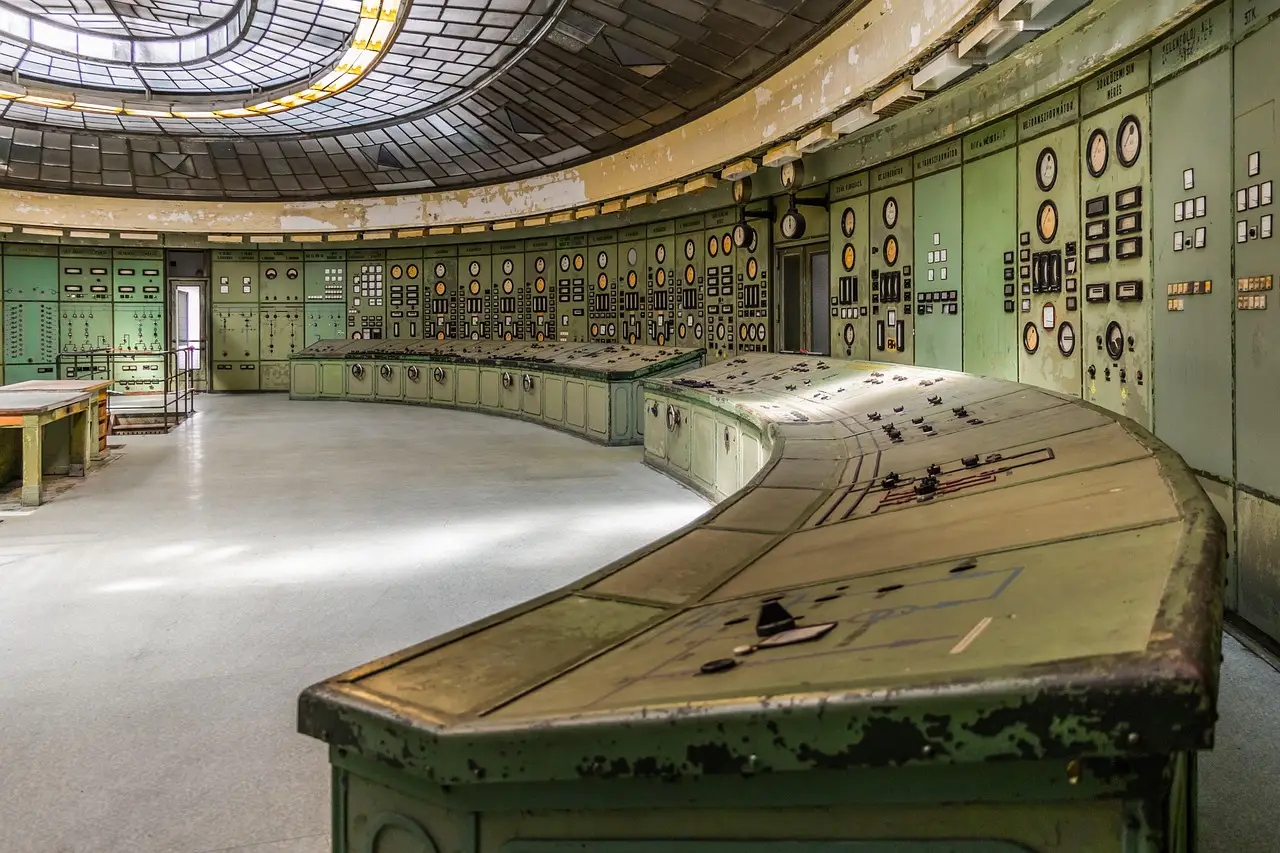
Modernization of industrial automation should begin with operational goals such as reliability, maintainability, visibility or integration — not with the selection of a new PLC platform, according to Jeff Sanders, senior system integration manager at George T. Hall Company, a certified member of the Control System Integrators Association (CSIA).
Most industrial facilities never get the chance to start over. Control systems accumulate over years or decades as equipment is added, processes change and production requirements grow. The result, Sanders writes, is an automation environment built from different generations of PLCs, instrumentation, communications and software from multiple manufacturers. Rising expectations collide with that inherited infrastructure: operations teams want better facility-wide visibility, maintenance teams want better troubleshooting information, and organizations want access to data that historically stayed locked inside individual machines. Each new connection also raises questions of network architecture, remote access and cybersecurity.
What should come first in a modernization plan?
Sanders argues that technology questions — which PLC platform, whether to replace the SCADA system, what data to send to an MES — belong later in the process. The plan should start by defining the operational problem: improving reliability, reducing obsolescence risk, easing maintenance, giving operators visibility, or connecting equipment that operates independently. Once the problem is defined, the right strategy may involve replacing a control platform, or it may involve improving instrumentation, communications, software or the way existing systems exchange information.
Age alone is not a reason to replace a control system. A sound assessment considers whether the system can still be supported, whether replacement components and technical expertise remain available, whether aging equipment creates operational risk, and whether the architecture blocks something the organization now needs to do.
How does embedded control logic survive migration?
Sanders cites a controls modernization project for a Southern California water utility in which several remote sites ran different generations of control hardware. Some legacy PLC applications had to be migrated and rewritten on a modern platform as part of a broader standardization effort. The existing programs were not old files to discard. They encoded how the physical processes operated. Migration required understanding the existing functionality, deciding what to preserve, recreating that functionality on the new platform, and integrating the new applications into the larger control architecture. The same principle applies to production lines, test stands, furnaces and other equipment carrying years of operational knowledge in their control logic.
Not every project starts with old equipment. Packaged equipment commonly arrives with its own PLC, programming, instrumentation and local controls. On a Southern California water treatment project, three vendor-packaged process systems each came with their own controls. The challenge was not replacement but building a plant-level architecture that let them exchange information, coordinate operation, manage alarms and communicate with the facility's existing supervisory system. The packages kept their designed functionality while joining the larger operating environment.
Why is visibility now equal to control?
Industrial automation has traditionally focused on controlling the process. Organizations increasingly expect those systems to report what the process is doing. For a water utility that may mean knowing the status of a remote pump station miles away; in a manufacturing plant, equipment status, production performance, alarms or downtime; in aerospace, better insight into a specialized manufacturing or test process. Better visibility may come from new instrumentation, from surfacing data already inside a PLC, or from consolidating information from multiple machines into a common supervisory environment. Remote monitoring, SCADA, HMI, data acquisition, historians, OEE and MES can all play a role, but the technology should follow the information requirement rather than define it.
Connectivity, Sanders writes, should be intentional. The objective is not to connect everything that can be connected but to determine where connectivity provides operational value and design the architecture around that requirement. Every new connection introduces decisions about how information moves, who has access, and how the operational technology environment is protected. Cybersecurity therefore joins reliability, maintainability, communications and system performance as a core modernization concern.
What happens after startup?
A modernization project does not end at commissioning. Operators and maintenance personnel inherit the system. On the water utility project, moving remote sites toward a common platform reduced the number of different systems staff had to support. On the multi-vendor treatment project, standardization occurred at another level — consistent data exchange, alarm management and presentation — while packaged systems retained their own controls. Both approaches address the same long-term question: not only whether the system will work at completion, but whether the organization can support it years afterward, with documentation, configuration management, backups, training and consistent programming practices.
There is no single modernization roadmap. The right path, Sanders concludes, starts with understanding the process, identifying what the existing environment can and cannot support, and defining what the operation needs to accomplish next. Only then does the technology decision begin.
via georgethall.com (Original)
Filed under
- control-system-modernization
- plc-migration
- scada
- industrial-automation
- cybersecurity
More from Nathan Brooks
Show full bio
Staff writer covering people, launches and day-to-day practice in Instruments, test and measurement at Testbench Report.
81 articles
Application notes
- Connected Controls: Seven Engineering Decisions That Decide Machine Performance
- Cisco Survey: 97% of Industrial Leaders See AI Reshaping Network Requirements
- Industrial Vision Expands Across Automation, Robotics, AI Inspection
- IMTS 2026 reframes machine vision for manufacturing
- Bertrandt Brings Machine Vision AI Onto Bosch Rexroth's ctrlX AUTOMATION