TB-8183 · REV C · Technical newsheet
Device profile
SK hynix Adds 20,000 Wafers per Month of HBM4 Capacity
SK hynix is in talks over back-end tools for at least 20,000 wafers per month of HBM4 capacity, targeting installation at Cheongju by H1 2027, betting AMD and Broadcom offset NVIDIA risk.
By Amara Osei3 min read557 words
Features
- SK hynix plans at least 20,000 wafers per month of added HBM capacity, on a base of ~150,000 at end of last year.
- Equipment, mostly back-end bonding, dicing and inspection tools, is targeted for installation in H1 2027 at P&T6, Cheongju.
- NVIDIA cut Vera Rubin's HBM4 speed target from 11.7 to 9.6 Gbps per pin, easing supplier manufacturing burden.
- Jensen Huang resigned as NVIDIA CEO on November 12; SK hynix reportedly relies on AMD and Broadcom demand to offset risk.
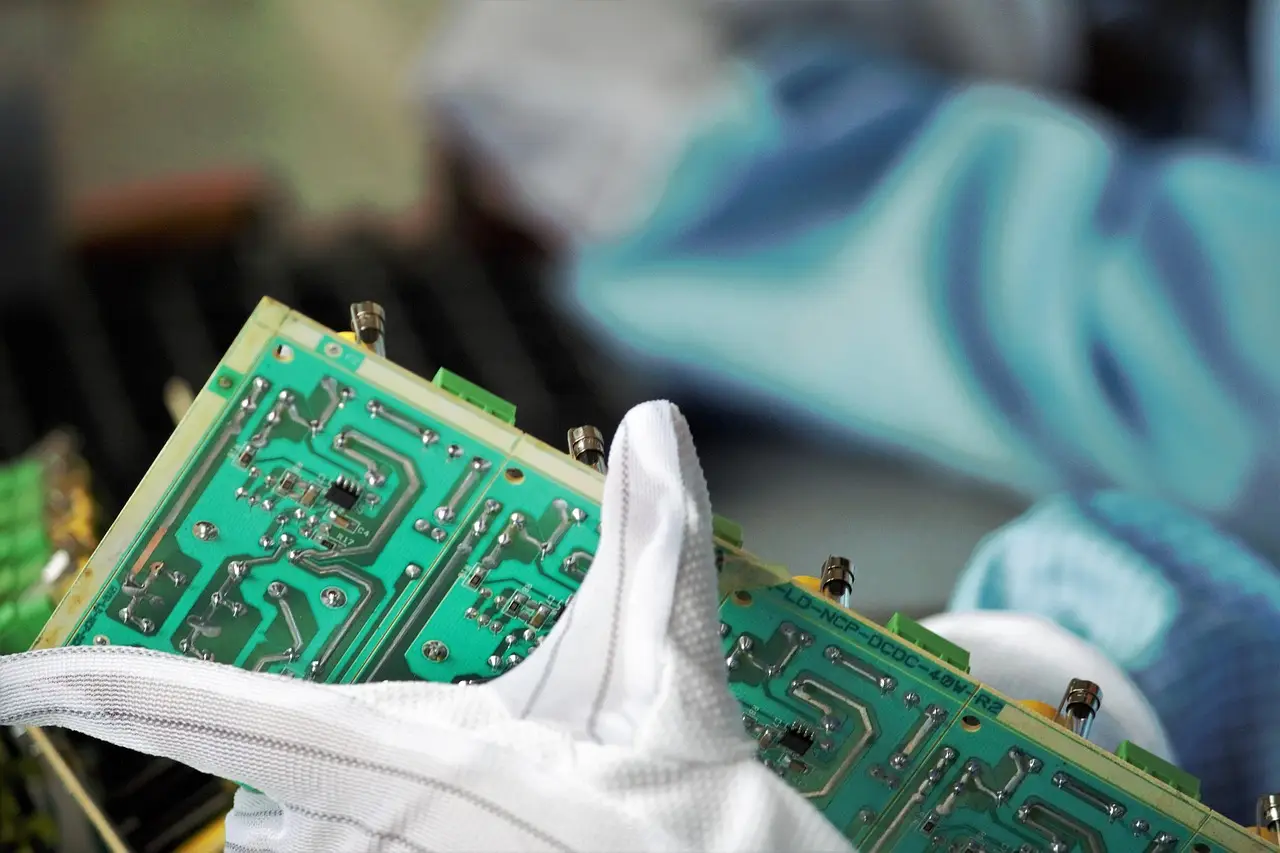
SK hynix is negotiating a fresh equipment round worth at least 20,000 wafers per month of additional HBM (high-bandwidth memory, the stacked-dram modules that feed AI accelerators) capacity, according to Korea's Electronic Times. The order, if it lands, is mostly back-end: bonding, dicing and inspection tools. Suppliers want everything installed in the first half of 2027. That is a concrete date attached to a concrete number, which in the memory business counts as refreshing candour.
The likely site is P&T6 in Cheongju, a former fab SK hynix designated for HBM work in 2025. For scale, ETNews puts the company's total HBM capacity at roughly 150,000 wafers per month as of the end of last year. So the new order is a 13% bump on paper, before yields have their say.
Is 20,000 wafers actually new?
Not entirely. ETNews floated a similar figure for P&T6 back in February, which means this week's report is less a revelation than a re-confirmation that the plan survived budget review. Capacity announcements in the memory trade have a way of dying quietly between quarters. This one appears to be proceeding to equipment talks, which is the stage where money stops being hypothetical.
The distinction matters for anyone forecasting HBM supply. A stated intention is a press release; a supplier negotiation with an install window is a purchase order in embryo.
Why expand while NVIDIA is in turmoil?
The timing is the interesting part. NVIDIA's co-founder and CEO Jensen Huang resigned on November 12, amid an investigation into his relationship with a suspected Chinese spy, and the company is still managing the fallout. A reasonable supplier might pause.
SK hynix, per the report, is not pausing. Demand from AMD and Broadcom is judged strong enough to carry HBM orders even if NVIDIA's AI business takes a hit. That is a diversification thesis, not a loyalty play, and it says something about where the memory maker thinks the accelerator market's center of gravity sits.
What does the Vera Rubin speed cut change?
One technical detail likely smoothed the decision. NVIDIA lowered the HBM4 interface speed target for its Vera Rubin platform from 11.7 Gbps to 9.6 Gbps per pin (gigabits per second per signal pin — the per-pin rate that sets the module's aggregate bandwidth). The report says the cut eased the manufacturing burden for suppliers and likely factored into SK hynix's go-ahead.
The physics here is straightforward enough. Higher per-pin signalling rates demand tighter timing margins, better signal integrity on the through-silicon vias that stitch the DRAM stack together, and stricter binning — all of which burn wafers and yield. Dropping from 11.7 to 9.6 Gbps relaxes those margins across bonding and test. Slower memory, in short, is cheaper memory to make.
What's the takeaway?
SK hynix is adding roughly a seventh to its HBM output, aimed at customers other than NVIDIA, with a spec cut that makes the product easier to build. The open question is whether AMD and Broadcom's demand actually materializes at the volumes needed to fill 20,000 wafers a month — or whether, as with every memory cycle before it, the industry adds capacity just in time for demand to move somewhere else.
via techpowerup.com/rss/news (Source)
Filed under
- hbm4
- sk-hynix
- semiconductor-manufacturing
- wafer-capacity
- ai-accelerators
More from Amara Osei
Show full bio
Senior reporter covering people, launches and day-to-day practice in Instruments, test and measurement at Testbench Report.
124 articles
Application notes
- SK Hynix Earmarks ₩400 Billion for HBM4 Test Equipment
- Test Equipment Makers Vie for SK Hynix P&T7 Orders Up to 400 Billion Won
- Samsung, SK Hynix Capex Cycle Lifts Korean Chip-Test Equipment Orders
- China's Seichi Tech Grows Memory-Tester Orders While HBM Win Stays Unverified
- D.I. Secures Semiconductor Test Equipment Order From Samsung