Technical newsheet
Industrial IoT & MonitoringDevice profile
Siemens Puts AI Inference Inside Machine Control at SPS 2026
Siemens linked edge AI models to SIMATIC S7 controllers over PROFINET for real-time inference in machine control, showed an autonomous carton-unpacking robot in Erlangen, and set TIA Portal V21.1 loose with feature-based licensing.
By Grace Kim3 min read525 words
Features
- Siemens connects AI models on Industrial Edge to SIMATIC S7 controllers via PROFINET for real-time inference in machine automation.
- TIA Portal V21.1 lets customers buy features instead of versions, removing project updates within the V21 line.
- Erlangen Electronics Factory is developing a camera-based AI robot that opens cartons and removes component reels autonomously.
- EU Cyber Resilience Act requirements apply from 11 December 2027; Siemens is preparing its industrial portfolio.
- Siemens cites almost 40 years of experience in industrial cybersecurity.
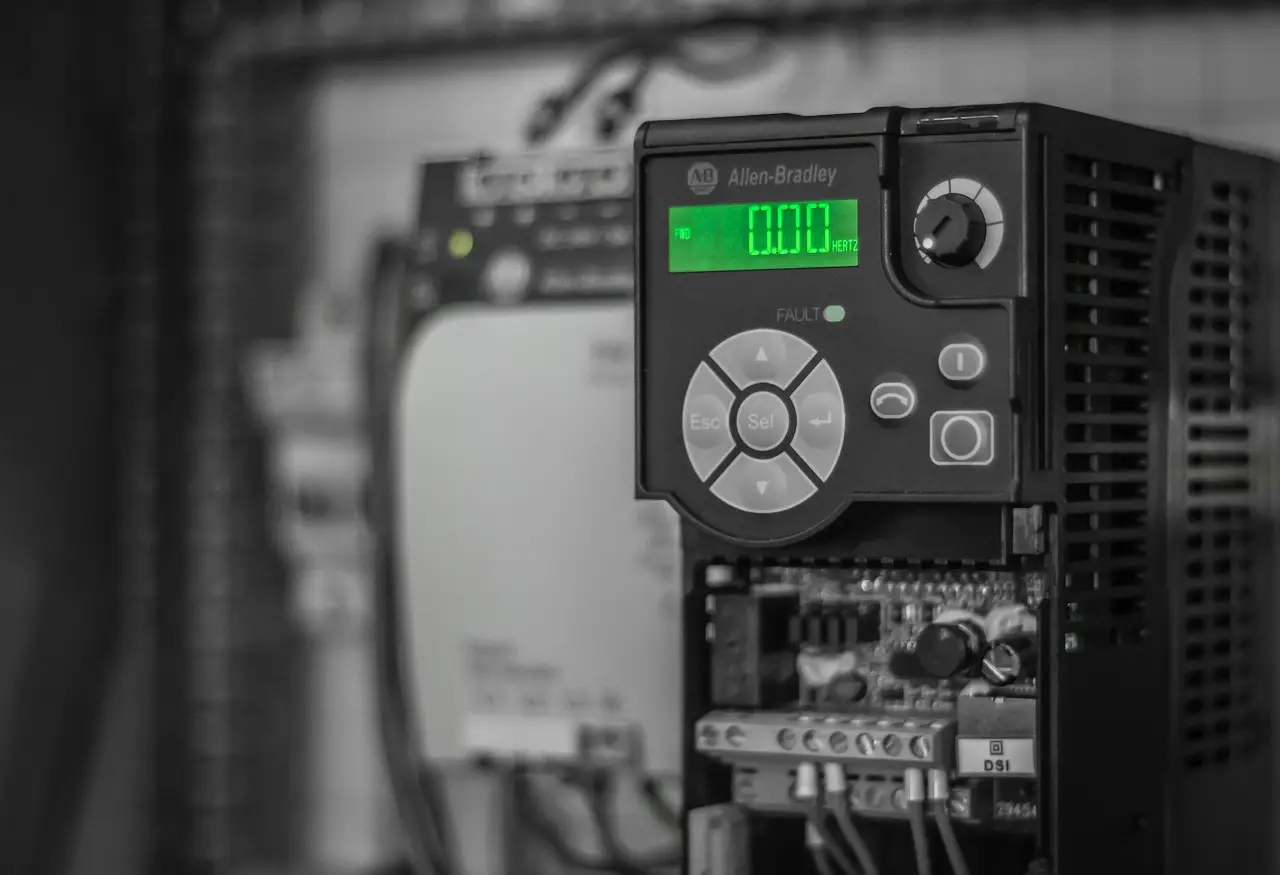
Siemens connected AI models running on Industrial Edge directly to SIMATIC S7 controllers via PROFINET, enabling real-time AI inference inside machine automation. The company presented the architecture at SPS 2026 alongside a robot application that autonomously unpacks incoming goods at its Electronics Factory in Erlangen.
The move targets AI-based motion control and other closed-loop production use cases. Production data can retrain, validate and redeploy models on-premises, which Siemens said creates a closed AI loop from deployment through operation to continuous improvement.
What does the Erlangen robot actually do?
Cameras capture the environment in real time. AI-based robot foundation models interpret the scene and autonomously determine the required steps: the robot opens cartons and removes component reels for further processing. Siemens supplies the automation, control systems, industrial PCs and software orchestration, plus domain expertise from its own factories.
This is physical AI on the shop floor, one phase of a portfolio that spans AI agents in planning and engineering. Siemens frames the result as goal-based automation: manufacturers define the outcome, and industrial AI determines the method or executes the task through agents.
What changed in TIA Portal?
TIA Portal V21.1 introduces a feature-based commercial model: customers buy features instead of versions, so project updates are no longer necessary within the V21 version line. Two functional additions accompany the release:
- Multicore support in the PLC program for SIMATIC S7-1500
- Extended SIMATIC Source Documents that now cover hardware configuration and can be processed by AI systems
The second point matters for the agentic engineering story. Machine-readable source documents give AI systems structured access to hardware configuration, not just program logic.
Where does cybersecurity land?
Siemens embeds cybersecurity into the AI tools themselves and applies AI to strengthen cybersecurity, the company said. It is preparing products in its industrial portfolio for the EU Cyber Resilience Act and supporting machine builders ahead of the CRA requirements applicable from 11 December 2027.
Rainer Brehm, president of Automation at Siemens, tied the two threads together. "The next productivity leap will come from automating tasks that were impossible to automate before," Brehm said. "That's why we're taking decisive steps toward AI-powered, autonomous production, with agentic and physical AI enhancing our leading automation portfolio."
He added: "With more industrial AI in production, also cybersecurity becomes even more important. Our customers can rely on our continued commitment to cybersecurity and regulatory compliance, backed by almost 40 years of experience in industrial cybersecurity."
Measured claims versus roadmap
Two categories sit in this announcement. The closed AI loop on Industrial Edge, the PROFINET inference path, and TIA Portal V21.1's multicore and source-document features are shipping or specified product capabilities. The Erlangen unpacking robot remains under development, and the performance of the robot foundation models under varied lighting and carton conditions comes without published test data.
The CRA deadline is fixed in regulation: 11 December 2027. Machine builders now face the question of whether their control suppliers can evidence compliance across AI-augmented systems — and whether inference inside the PLC loop can be audited to the same standard as conventional control code.
via Automation World (Source)
Filed under
More from Grace Kim
Show full bio
Correspondent covering companies, deals and strategy in Instruments, test and measurement at Testbench Report.
122 articles