TB-9813 · REV C · Technical newsheet
Industrial IoT & MonitoringDevice profile
Smart VFD Retrofits Open a Path From 30-Year-Old MCCs to Industrial AI
Smart VFD retrofits, edge SCADA platforms like Ignition and a VPN-secured software bridge can carry 30-year-old motor control centers into industrial AI without line stoppage.
By Nathan Brooks3 min read663 words
Features
- Legacy MCCs can be retrofitted with smart VFDs instead of full production line replacement
- SCADA platforms such as Ignition can be housed inside MCCs and collect drive data by polling or change-based publishing
- All data should be routed through a private VPN per critical infrastructure guidelines
- Recurring VFD overcurrent patterns can automatically generate ERP maintenance notifications
- ELCON Technologies, founded in 1988 in Pittsburgh, specializes in modernizing legacy critical infrastructure
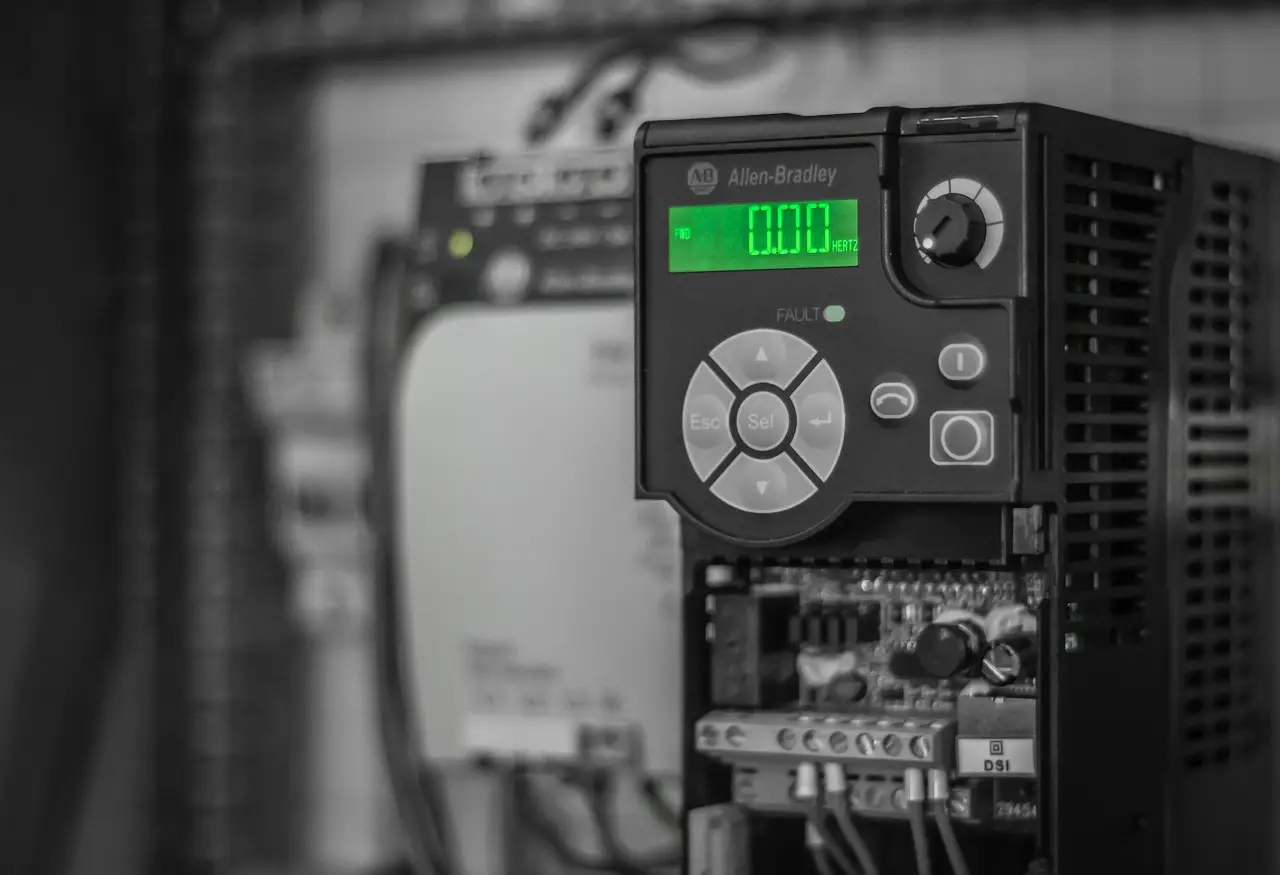
Retrofitting smart variable frequency drives (VFDs) into legacy motor control centers can extend the life of machinery built three decades ago without taking a production line apart, and it forms the physical first stage of a three-stage path to industrial AI described by Mike Gagne, president of ELCON Technologies, a Pittsburgh-based electrical automation and systems integration company founded in 1988.
The problem is demographic as much as technical. Gagne identifies an unspoken industry reality: the engineers who built and understood legacy medium-voltage power systems are retiring, leaving a significant experience gap on the factory floor. Plants across the country and worldwide still run on electrical equipment and motor controls built last century, and die changes, motor upgrades or full replacements are costly.
Removing any part of the machinery from a site triggers downtime, and that produces a domino effect: customers do not receive what they ordered. Blanket overhauls are what cause drastic drops in output, Gagne writes. Targeted retrofitting of specific motor control systems keeps the floor running while still making long-term upgrades.
What does the hardware retrofit involve?
The approach centers on rebuilding motor control centers rather than replacing them. Modern smart VFDs signal when maintenance is most likely needed, which lets plant staff act proactively rather than reactively.
One practical snag with older equipment is verifying that legacy infrastructure can handle new smart technology without vendor conflicts. Gagne's answer is blended-brand engineering: building or retrofitting MCCs with multivendor components, keeping what works while upgrading critical drives.
Embedded IIoT capabilities in the drives let operators extract real-time data on:
- Motor behaviors
- Load capacity
- Performance and quality control
The plant floor systems stay online but isolated from the general public on the internet.
How does the data reach the AI layer?
A software bridge moves data level by level, functioning as a translator between each move. Gagne writes that this prevents levels from being skipped and ensures that by the time data reaches the upper level where AI models live, it has not undergone a dramatic transformation.
At level 2, modern SCADA platforms such as Ignition reach the VFDs and collect data in two ways: native drivers poll for the data, or the drives publish only when there is a tangible change in the data. These platforms can be physically housed inside the MCCs on site and collect data locally before passing it up the levels for processing. Platforms like Ignition also keep historical logs, useful for statistical analysis and for working within the software bridge.
Most plants already have the physical networking the pipeline requires — fiber optics, copper runs or wireless systems — so sites can take advantage of existing infrastructure rather than build new.
Cybersecurity governs the whole pathway. Because so much information becomes available, isolation from the public internet is critical, Gagne writes. He advises separating plant floor operations from corporate office activities and routing all data through a private VPN, where it can be monitored and issues quickly diagnosed. This practice follows critical infrastructure guidelines for proper data management.
What happens at the ERP level?
When the information is ready for larger ERP systems, those systems process the vital business operations: confirmation of production, bill of materials, rate of downtime compared with uptime, and maintenance requirements.
Gagne gives one concrete example of closed-loop integration: when a recurring VFD overcurrent pattern appears, the system automatically creates a maintenance notification in the ERP. That is where integration shows its full potential, he writes.
Taken together, the three stages — hardware retrofit, edge data collection and the software bridge — turn an outdated production line into the foundation for AI systems without bringing the floor to a standstill.
The development raises a purchasing question for plant owners weighing modernization budgets: whether targeted, multivendor MCC retrofits with private-VPN data paths will satisfy their auditors and insurers faster — and at lower downtime cost — than wholesale line replacement, and who on the retiring engineering staff will validate the install.
via elcontech.com (Original)
Filed under
- variable-frequency-drives
- motor-control-centers
- industrial-ai
- industrial-iot
- predictive-maintenance
More from Nathan Brooks
Show full bio
Staff writer covering people, launches and day-to-day practice in Instruments, test and measurement at Testbench Report.
105 articles